










The proteins are macromolecules composed of twenty amino acids essential for the proper functioning of our body. Nine of these amino acids are essential because they cannot be synthesized by the body. These amino acids must therefore be found outside, that is to say in our food. Proteins can therefore be created by the successive incorporation of amino acids.
LProteins are encoded by genes and synthesized by the ribosome (system allowing the translation of molecules into protein). They are found in cells and in the body. Proteins have several roles. They can be used structurally allowing the cell to maintain its organization in space. Motor function by ensuring the transfer of different molecules in and out of the cell. Regulatory by modulating the activity of other proteins. Also by capturing external signals and ensuring their transmission. And finally in a motor way by allowing cells and organisms to move.
More concretely, proteins are necessary for growth, cell renewal as well as the tissues of our organism and reproduction. They are also very important during the development of the fetus.
The protein are of two origins, animal and plant. Animal proteins come from meat, cold meats, poultry, eggs, fish, shellfish and dairy products. Vegetables come from vegetables (lentils, beans, sofa, etc.), oleaginous fruits (nuts, almonds, pistachios, etc.) and cereals (wheat, corn, barley, rice, etc.). Being essential for the proper functioning of the body they must be absorbed daily. On average, a woman will need 46 grams per day and a man 56 grams. Little protein can result in muscle atrophy.
Many foods contain protein, but their percentage differs. In fact, foods of animal origin have a high protein content while vegetables and cereals have less. For animal proteins, their nutritional qualities are excellent because they generally contain all the essential amino acids. But they provide a lot of lipid (hidden fat), cholesterol and are rich in waste (uric acid, urea). While vegetable proteins are a great source of energy (carbohydrate) and facilitate intestinal transit (fiber). But these proteins are not complete for our diet because it lacks the essential amino acids that our body cannot synthesize.
BEEF.
Protein level: 26/30 gr per 100gr.

TUNA.
Protein rate: 29 gr per 100 gr.

L'EMMENTAL (GRUYERE).
Protein level: 27 gr per 100 gr.

CHICKEN BREAST.
Protein level: 26 gr per 100 gr.

THE EGG.
Protein rate: 14 g per 100 g (2 eggs).

SOY.
Protein rate: 38 gr per 100 gr.

The vegetable proteins of soy contain all the essential amino acids and are of excellent digestibility. Small seeds soya is consumed in the form of milk, sauce, beans or germ. It holds many minerals, vitamins and fibers. Soy is part of the legume family. This product is known to lower cholesterol levels thanks to its unsaturated fats, which also strengthen nerve cells. Soy has hormonal activity by reducing bone demineralization during menopause.
LENSES.
Protein rate: 25 gr per 100 gr. (9 gr cooked)
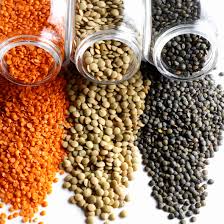 The protein Plant-based lentils called lectins are good qualities because they contain almost all of the essential amino acids. Lentils are part of the legume family known for their green, brown or coral colors. It is a very digestible food and low in fat. It requires a very short cooking which promotes nutrient intake. They are rich in vitamins and especially in minerals (athleticism, copper, iron, zinc, potassium…). Lentils contain dietary fiber that gives a feeling of fullness and prevents constipation. Its antioxidant properties prevent many cancer, diabetes and cardiovascular disease.
ALMOND.
Protein rate: 21 gr per 100 gr.

OATS.
Protein rate: 17 gr per 100 gr.
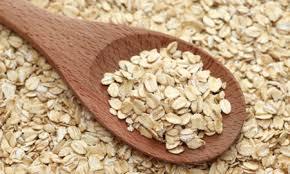 The vegetable proteins of oats have the best profile of essential amino acids helping the proper functioning of the body. Enjoyed as a breakfast (muesli) oats are low in saturated fat. It is an excellent source of vitamins and minerals including magnesium, zinc and iron. Rich in fiber, it gives the feeling of satiety. Oats are a member of the whole grain family that promotes longevity. This food prevents many cancers and coronary heart disease.
THE COMPLETE BREAD.
Protein rate: 10 gr per 100 gr.
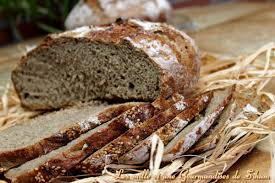 The vegetable proteins in wholemeal bread are of good nutritional quality. It is a food rich in vitamins and minerals. It is part of the cereal family, made from whole flour. Wholemeal bread is fuel for the body and the brain. The energy that provides is regular thanks to its slow sugars. Its level of dietary fiber facilitates intestinal transit and gives a feeling of satiety. Its carbohydrate level, more particularly the starch it contains after digestion, is transformed into glucose giving energy to the body. It is also rich in vitamin B which is good for cell function and the nervous system. Among other things, its vitamins E have antioxidant properties. Finally it contains minerals such as potassium, magnesium, calcium, phosphorus and iron.
Conclusion.
The foods listed are only a small percentage of the protein nutrition variety. In fact, a large number of dairy products, meats, fish, vegetables, cereals and dried fruits have more or less a high rate of protein. Protein foods are low in calories, they have four calories per gram. In addition, these foods curb the appetite. Indeed they allow a slow digestion and therefore gives a feeling of satiation faster. And finally the body does not know how to store proteins, so they are systematically evacuated or transformed into energy.
However, it is not an exclusive diet, all metabolism needs nutritional balance. A high protein diet can trigger kidney problems, fatigue and irritability. In fact, certain vitamins and minerals are absent from protein foods and can be the cause of deficiency.
In any case, foods rich in protein are essential for our body and its perfectly adaptable to lose weight, build muscle or simply keep in shape.
Tempes and bushes are also very interesting from the point of view of protein intake.
There is no denying that Spirulina has a complete nutritional profile, but it also conceals a few drawbacks. Spirulina can be contaminated with toxins known as micocystins, which have the ability to absorb certain heavy metals. According to nutrition expert Michael Greger, although spirulina is not inherently a toxin-producing algae, the harvesting process can inadvertently embed small amounts of other algae that produce toxins. These toxins are sometimes harmful to our body, even very dangerous. It is better to go through legumes.
I know your list is not exhaustive, but spirulina deserved to be mentioned. Spirulina is a microalgae marketed as a food supplement because of its richness in minerals and vitamins.
A true super food, it grows naturally in many places around the world.
It is marketed in different forms: capsule, compressed or simply dried.